
The history of Hvar in brief
Greek colonists founded a town on the site of today's Stari Grad in the 4th century BC. Later rulers came and went, until Venice took the island for a long period from 1420 to 1797. In 1510 a rebellion broke out against the privileged nobility. In 1612 a theatre opened in the Arsenal, and in 1868 a society founded that year became a starting point for organised tourism.
You can still see much of this on the island. The Greek field system survives on the Stari Grad Plain, the Venetian-era town centre surrounds the main square, and the Fortica fortress overlooks the harbour. Use this page to plan what to see and to place each sight in its time.
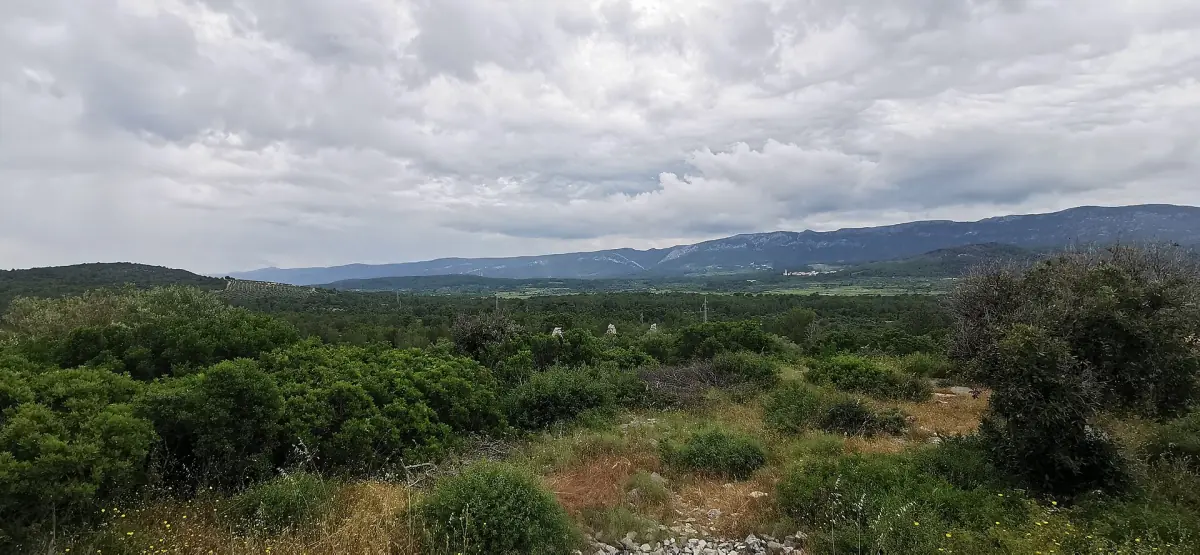
Timeline of Hvar
The main dates and what remains.
| Period | Event | What to see today |
|---|---|---|
| 4th century BC | Greek settlers from Paros found Pharos | Stari Grad Plain, UNESCO site since 2008 |
| 1420 to 1797 | Venetian rule | Old town, cathedral, Arsenal |
| 1510 | Rebellion led by Matija Ivanić | – |
| 1612 | Theatre founded in the Arsenal | The theatre, open with its own hours |
| 1868 | Hygienic Society founded | – |
The founding of Pharos is dated to the 4th century BC. For most visitors, the best way into this history is a day in Stari Grad and a walk through Hvar Town.
Our pick: an old town walk with stories
This guided walk tells the story of Hvar's history and culture in about 70 minutes.
Hand-picked tours, booked through GetYourGuide. Prices are indicative starting prices in euros (as of October 2026). Tap a tour for live availability and the current price in your currency.
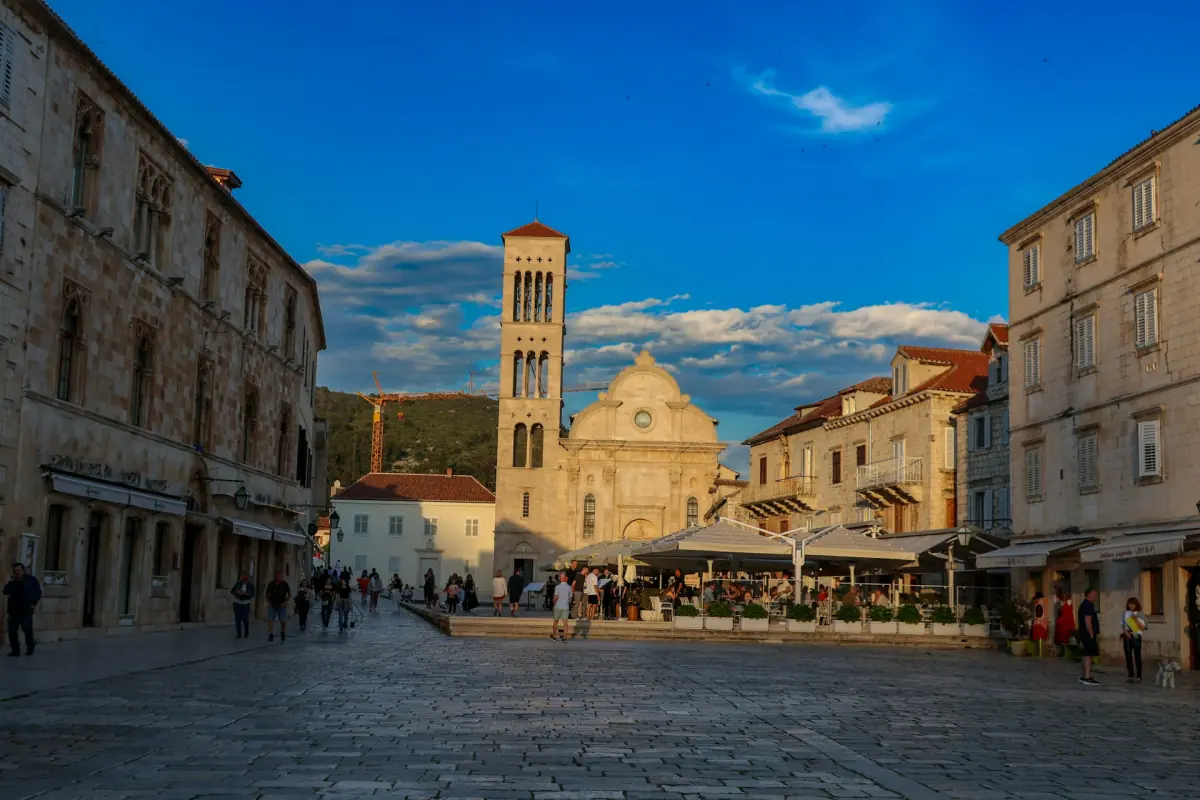
Hvar tours and island days
Boat trips, island days and tastings with live prices and availability.
Greek Pharos and the Stari Grad Plain
The oldest layer of the island.
Settlers from Paros divided the fertile plain into regular plots with dry stone walls. Vines and olives still grow there. UNESCO recognises the Stari Grad Plain, entered in 2008, as a cultural landscape. The protected area covers 1,376.53 ha, with a buffer zone of 6,403.13 ha. Do not think of the whole of Stari Grad as a UNESCO old town. The listing covers the plain.
In the town you can visit Tvrdalj, the fortified summer home of the Renaissance poet Petar Hektorović, with a fish pond, a portico and a garden. It is open from May to October. See the Stari Grad page for the town and the ferry port.
Venetian rule, the rebellion and the Arsenal Theatre
From 1420 to the 17th century and beyond.
Venice, 1420 to 1797
After several changes of rulers, Venice held Hvar for almost four centuries. The cathedral of St Stephen I, Pope and Martyr, was built mostly between the 16th and 18th centuries. It is open 09:00 to 12:30 and 17:00 to 19:30, with an entry of €2 in 2026.
Hvar Town →The rebellion of 1510
The Hvar rebellion began in 1510 under Matija Ivanić. It was a conflict between the population and the privileged nobility. It should not be read as a modern independence movement.
The Arsenal and the theatre
The Arsenal began as a shipyard and store supplying galleys. The theatre on its upper floor was founded in 1612. The auditorium you see today comes from later rebuilding, so do not date the whole interior to 1612. In 2026 the Arsenal itself and the Franciscan monastery are closed to visitors. The theatre has its own hours, 10:00 to 18:00, with €10 for adults.
The Fortica fortress
The Španjola fortress above the town is open 09:00 to 18:00, with €12 for adults and €8 for students and pensioners in 2026. A combined ticket costs €15, and you reach the top by steps from Pjaca or by road to the north-west entrance. Do not count on seeing the Arsenal with a combined ticket.
Tourism, lavender and the villages
The modern chapters.
The Hygienic Society, founded in 1868, was an important start of health and organised tourism on Hvar. It does not mean that no visitors came before that date.
Inland, Velo Grablje has grown lavender systematically for more than a century, and a festival keeps the harvest and distillation traditions alive. Terraces, dry walls and old paths surround Velo Grablje and Brusje. Read more in the lavender guide. Humac is a stone settlement about 350 m above the sea, whose houses served as seasonal homes for farm work by people from Vrisnik. Vrboska has a fortified church from the 16th century.
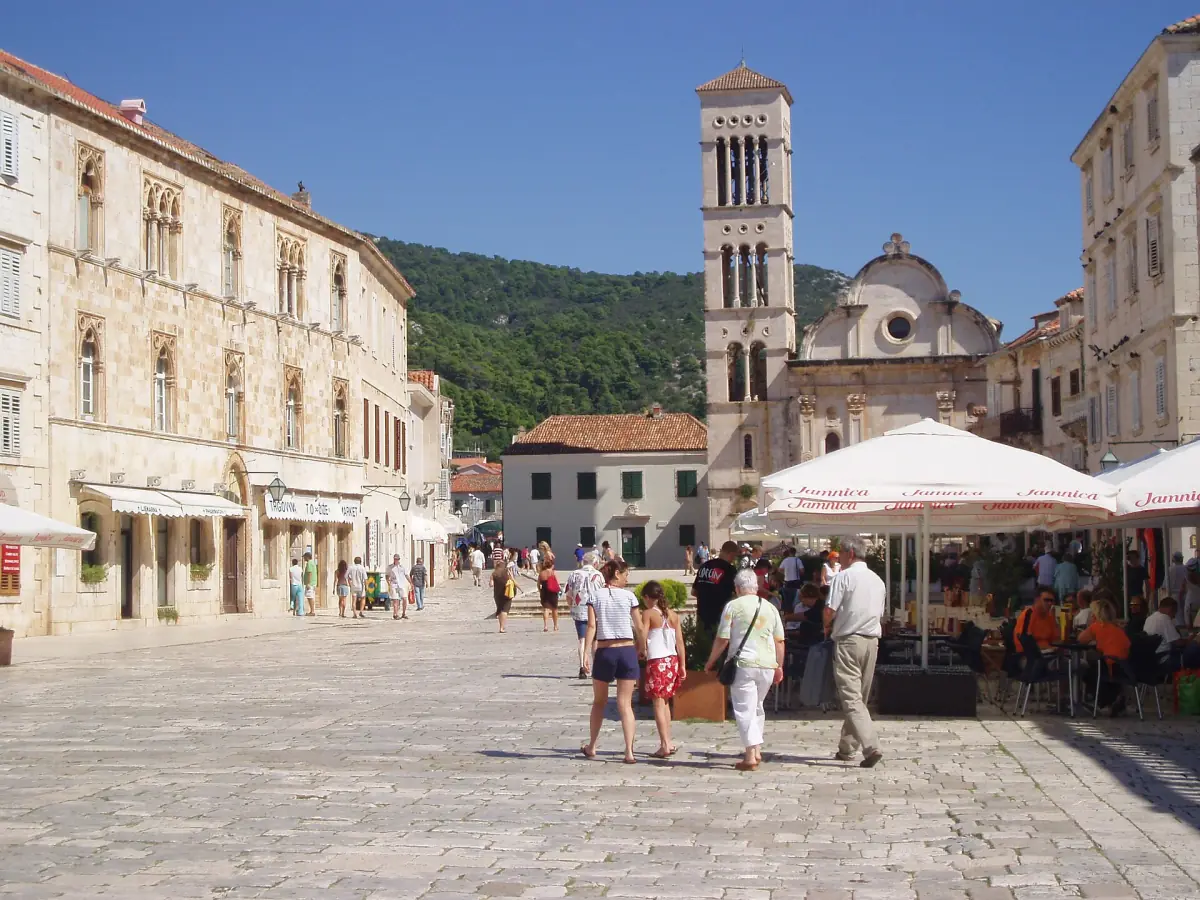
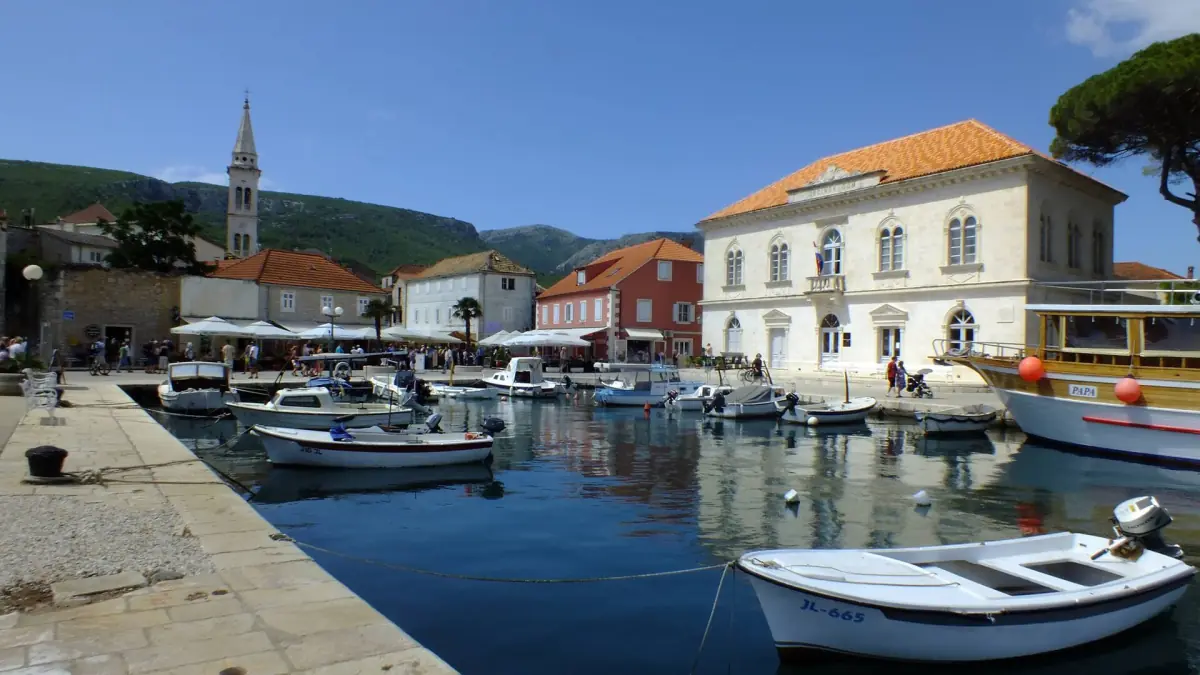
History of Hvar: frequently asked questions
Who founded Pharos?
Greek settlers from Paros, in the 4th century BC. They founded the town that is today Stari Grad and laid out the plain.
How long did Venice rule Hvar?
The long Venetian period ran from 1420 to 1797. Earlier Venetian episodes came before it.
What was the Hvar rebellion?
It began in 1510 under Matija Ivanić, in a conflict between the population and the nobility.
Can I visit the Arsenal?
In 2026 the Arsenal is closed to visits. The theatre above it has its own hours. Check current hours before you go.
What is UNESCO-listed on Hvar?
The Stari Grad Plain, a cultural landscape entered in 2008. It is not the whole island or the whole old town.